BELONGING
»I still feel the fear of certain encounters, since no spark of belonging dwelt within them—nothing connected us before the image emerged.«
A sense of belonging arises through connections—some visible, some ascribed; some are passed down on paper or across generations; many through a feeling— harsh, warm, tender, or ambiguous. These connections thrive in community; they are not exclusive and do not claim to be absolute. There are countless of them; they can be a net for us, catch us, serve as a safety net, flatter us, be the result of hard work; we often strive for them—as a response to loneliness.
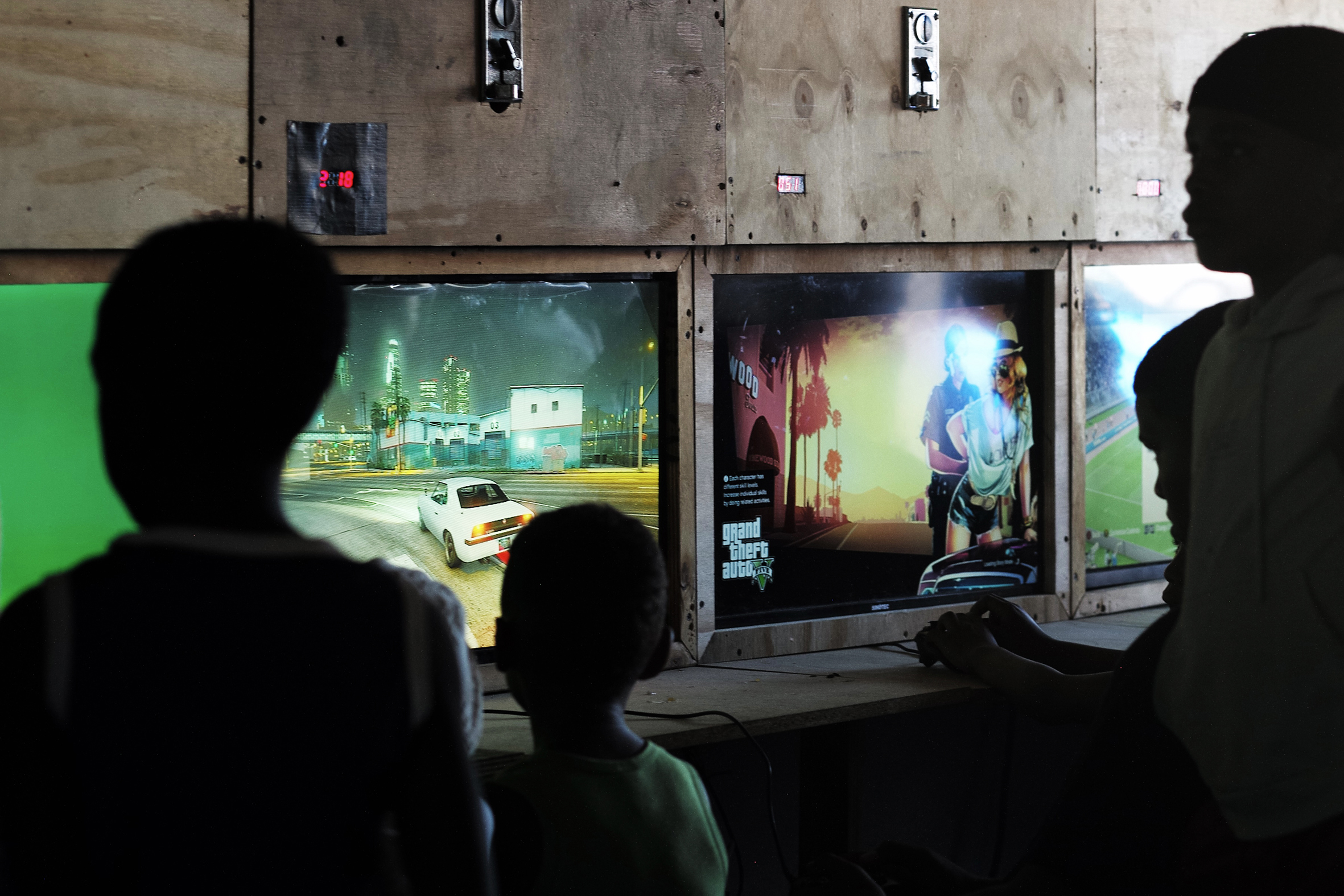
Many feel at home in a digital sense of belonging. They inhabit virtual places that are more of a haven than any spaces they know outside of the digital realm, offering more participation and identification than anything they are able to experience in the real world outside.
At the same time, there are affiliations that are not a home, but rather a reversal of one’s favorite place. They unsettle us, bear witness to pain, document loss or persistent absence. For affiliation is not always something we choose for ourselves. Sometimes an entire existence springs from a cruel involuntariness. Then the familiar feeling of belonging offers no refuge and yet holds us fast. Recognizable to us, to others, or to no one.
What happens when there is a gaping chasm between what we have chosen as our home—accepting it as the place of our identity—and where others—whether out of goodwill, indifference, or discrimination—place us? In other words, when our sense of belonging does not align with how we feel?
Who decides whether this is the case? The outside observer, the unfortunate person themselves, or only the fortunate member?
Do we even speak of belonging at all when we seek its closeness, cherish and protect it, and prefer to display it loudly rather than quietly, when it serves as a stepping stone for us?
Is it possible to leave behind the circumstances to which others assign us—by giving birth to us, choosing us for something, defining us, or rejecting us? When we leave our families, do we still belong to them? Whether we want to or not? Whether they want us to or not? How resilient—or even indissoluble—are bonds that once formed a community? Do these alliances retain a lifelong legitimacy of belonging?
Do they retain their validity—no matter what comes?
Can we transform every sense of belonging into a temporary phenomenon?
Is leaving them or reaching them easier? How do we end the staying? Is naming and acknowledging them the prerequisite for leaving them—temporarily or even long- term? Is a farewell always a transition? What is it like to live in coexistence, and do we succeed in navigating and acting within multilingualism? Can one feel a sense of belonging even as an onlooker?
And what do missing connections tell us, and what do they mean to us? Connections within societies, between worlds, to others—paths that remain closed off. Can these missing connections alone be a characteristic that defines our sense of belonging— as a radical form of separation?
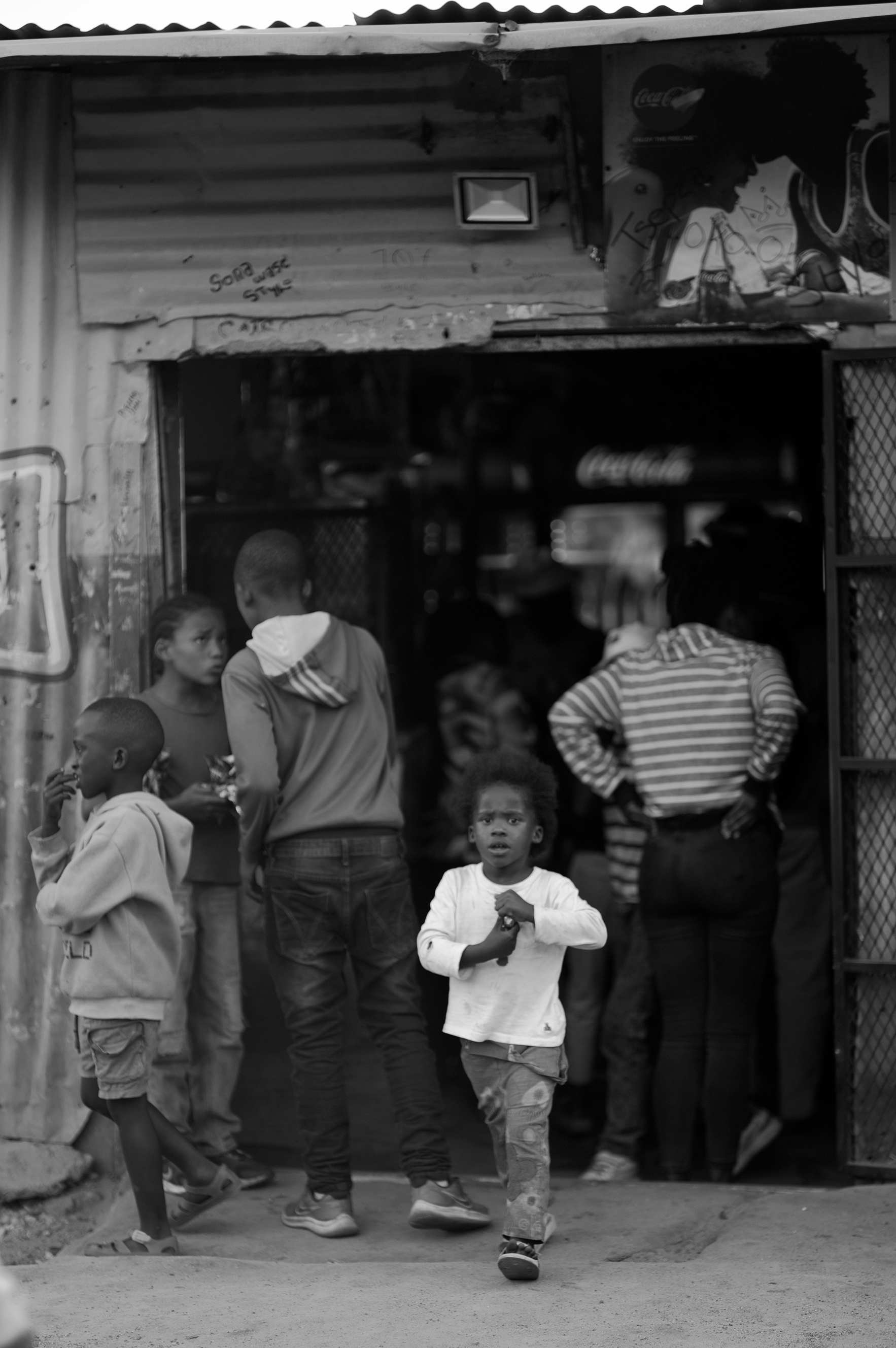
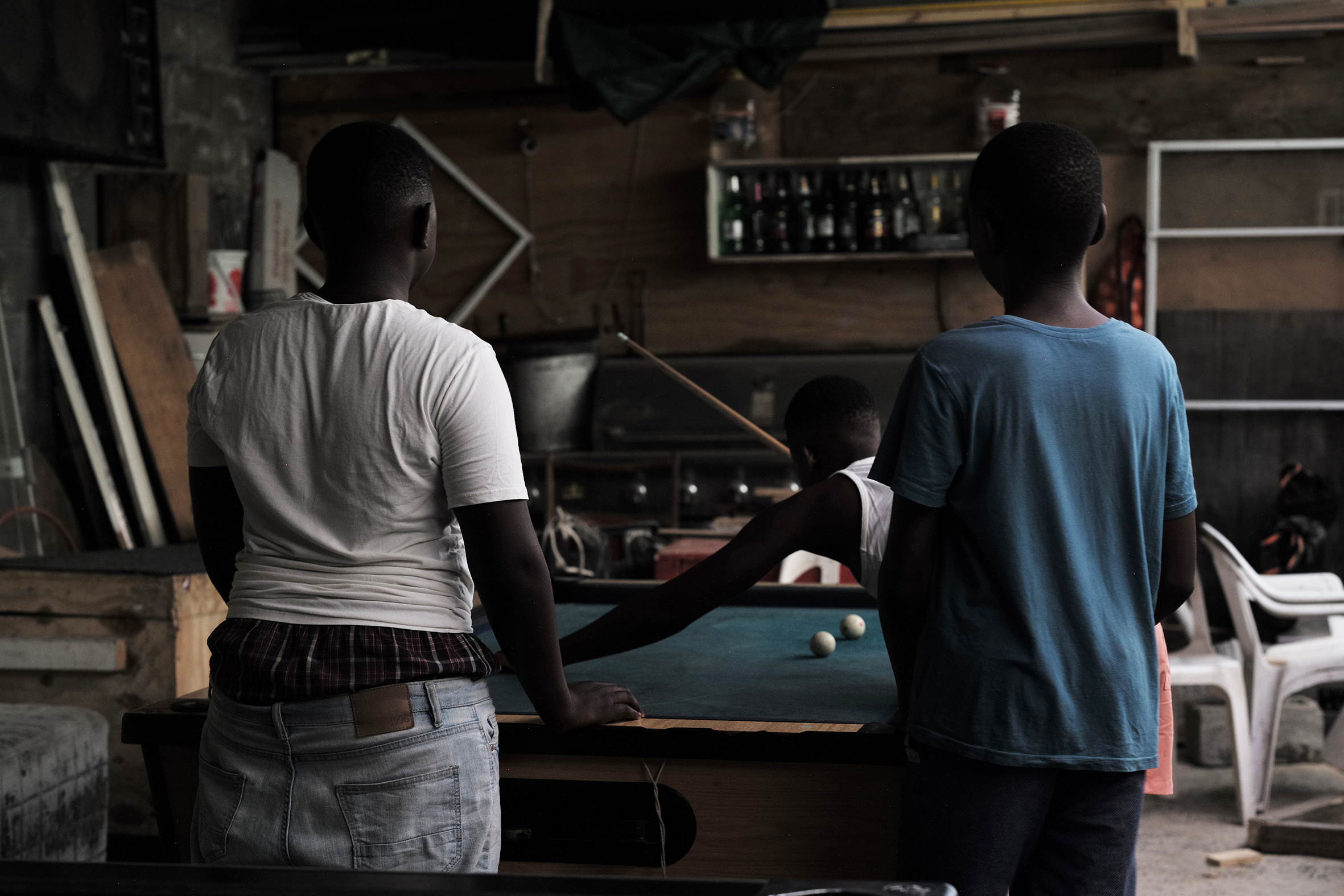
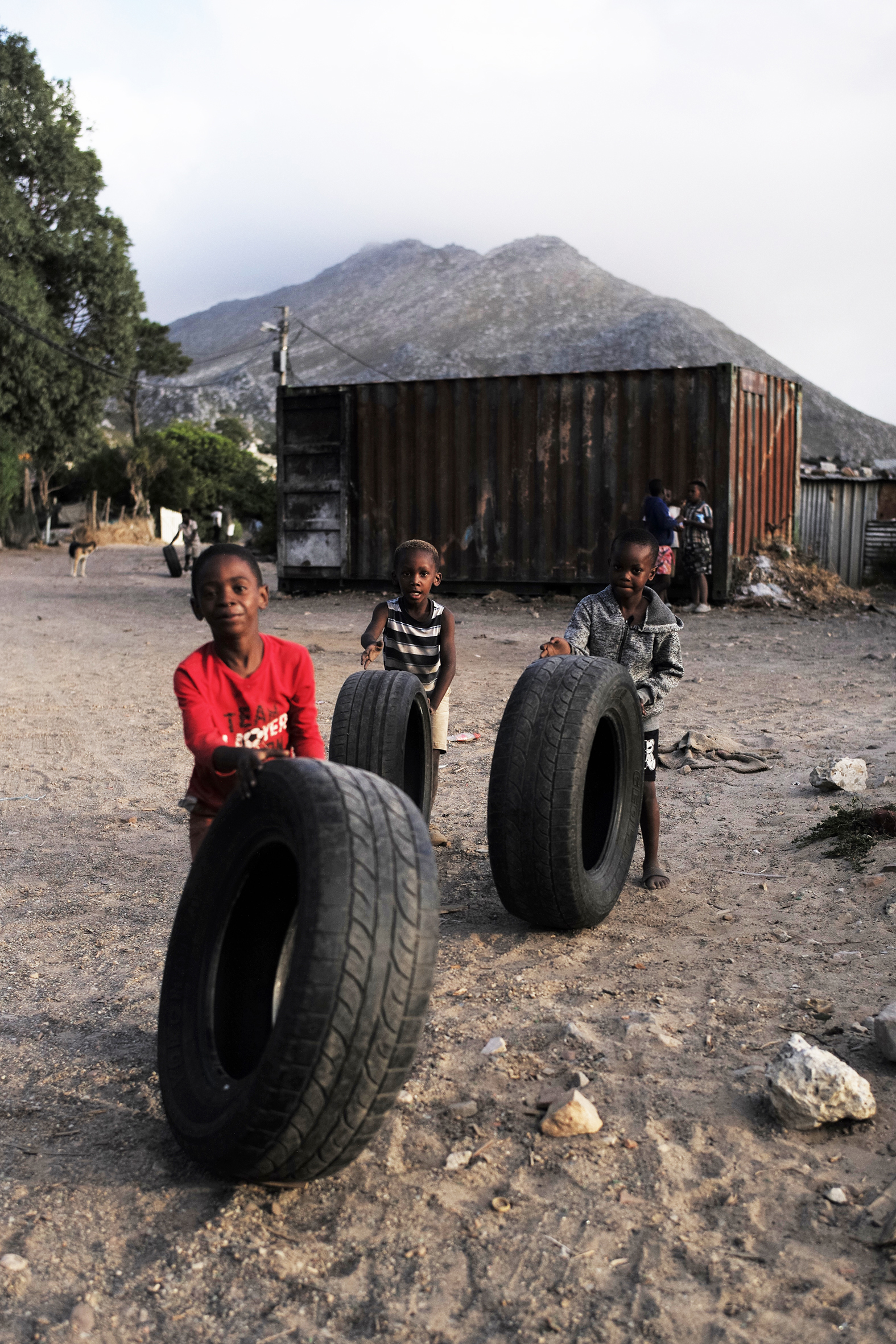
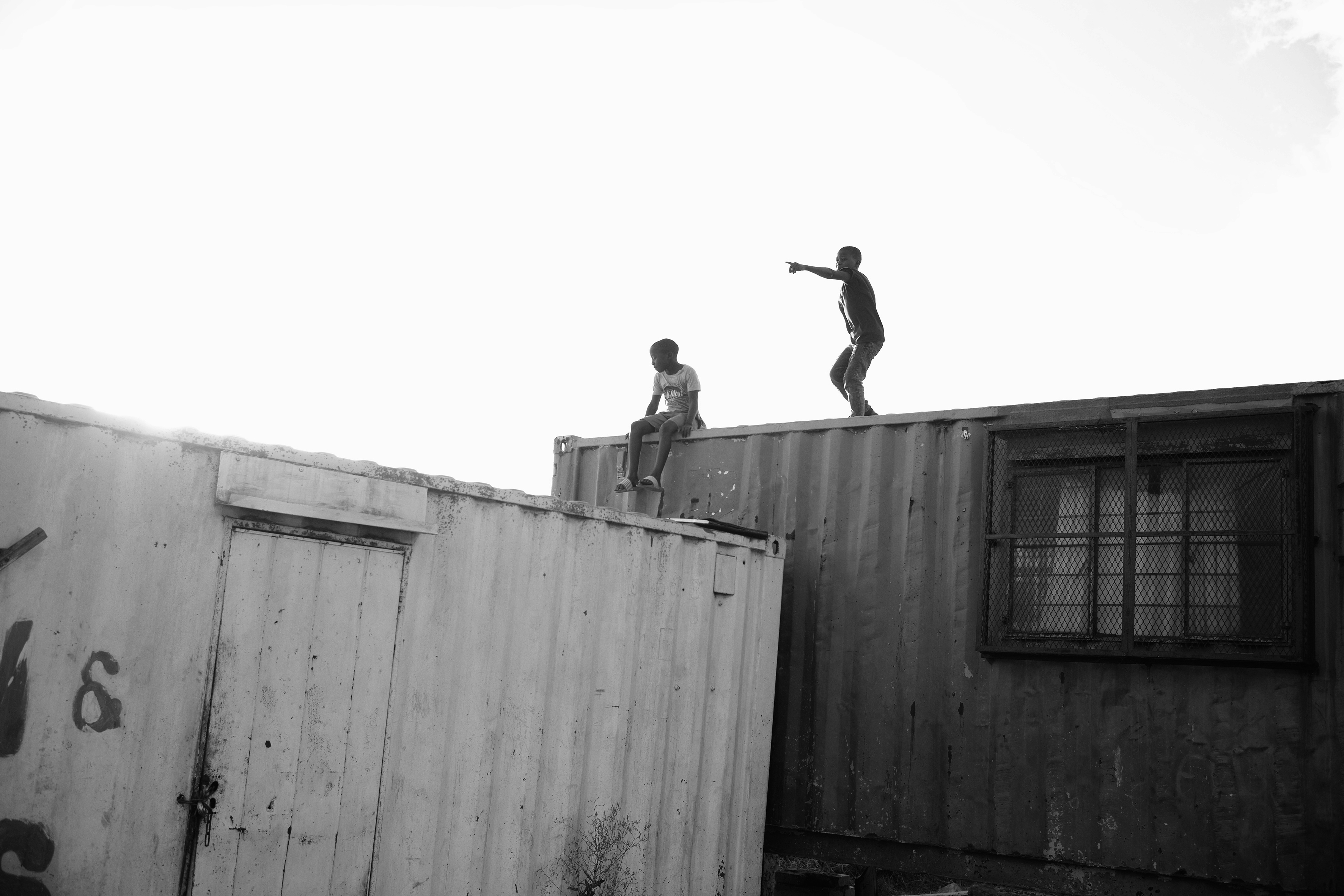
So can we belong to absence? Can one see absence? Or can one only sense the absence of belonging between the subject and the one pressing the shutter?
What is visible are conjectures, expressed as visual equivalents, obvious yet remaining vague.