WHAT IF THINGS GO WELL?
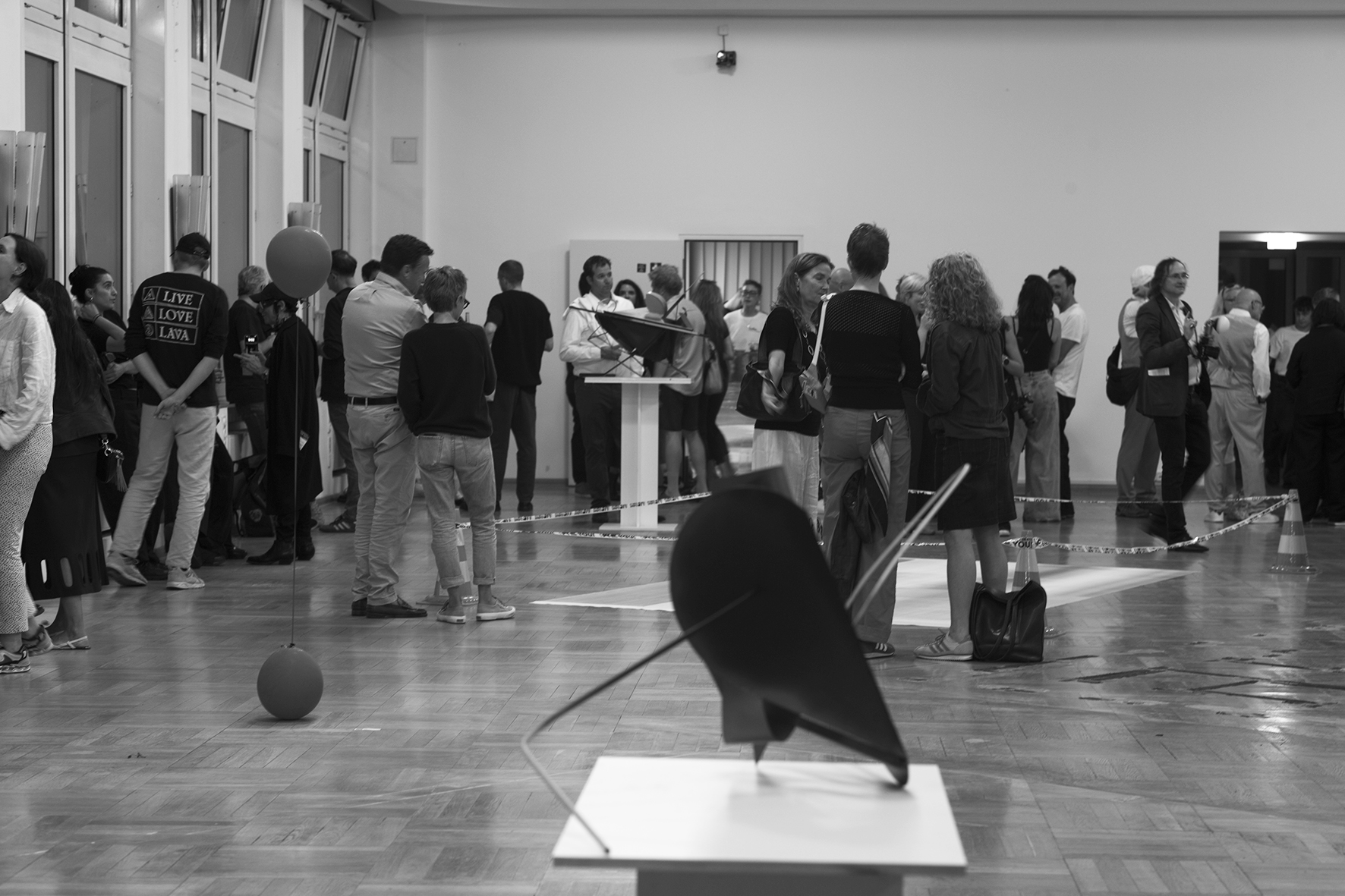
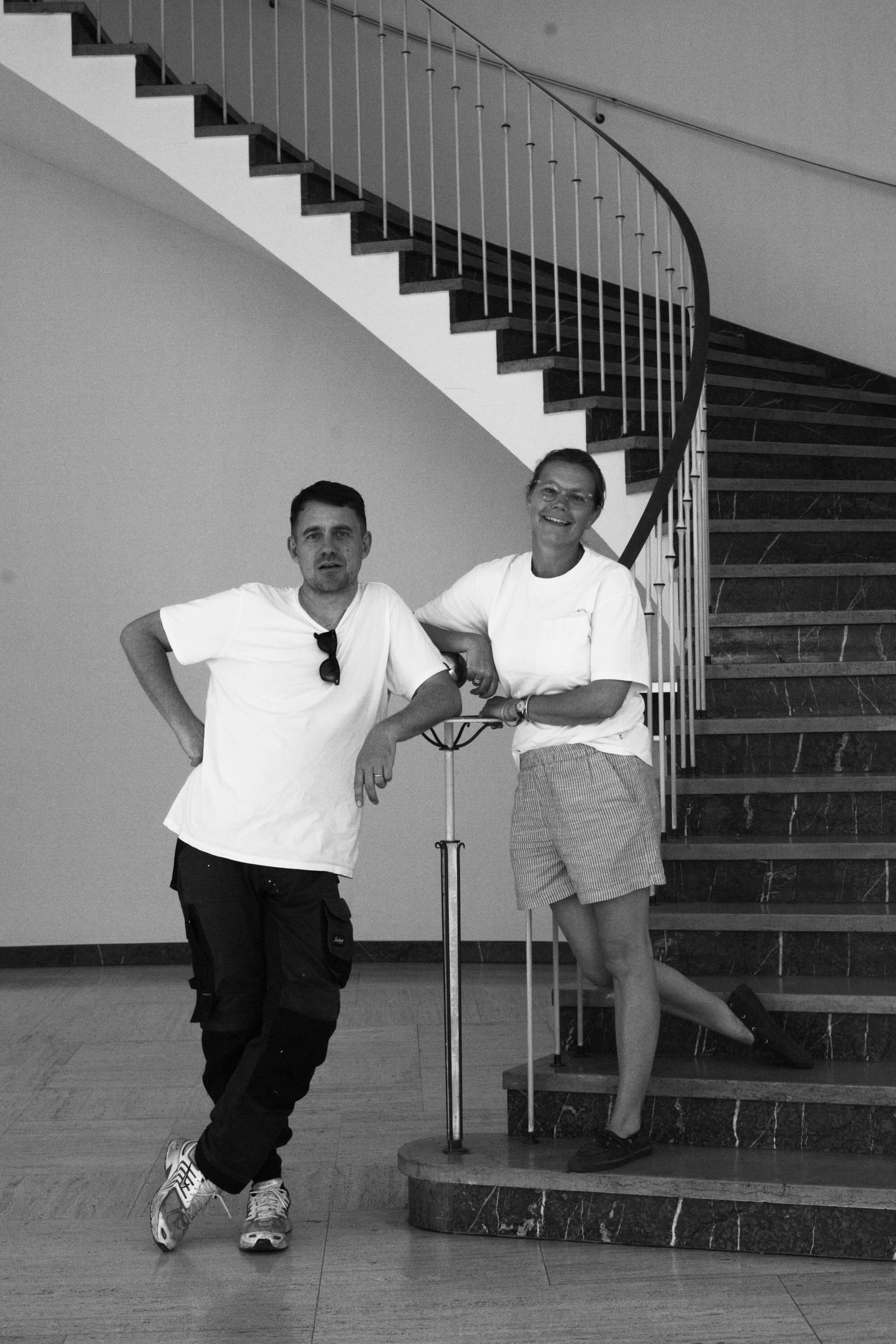
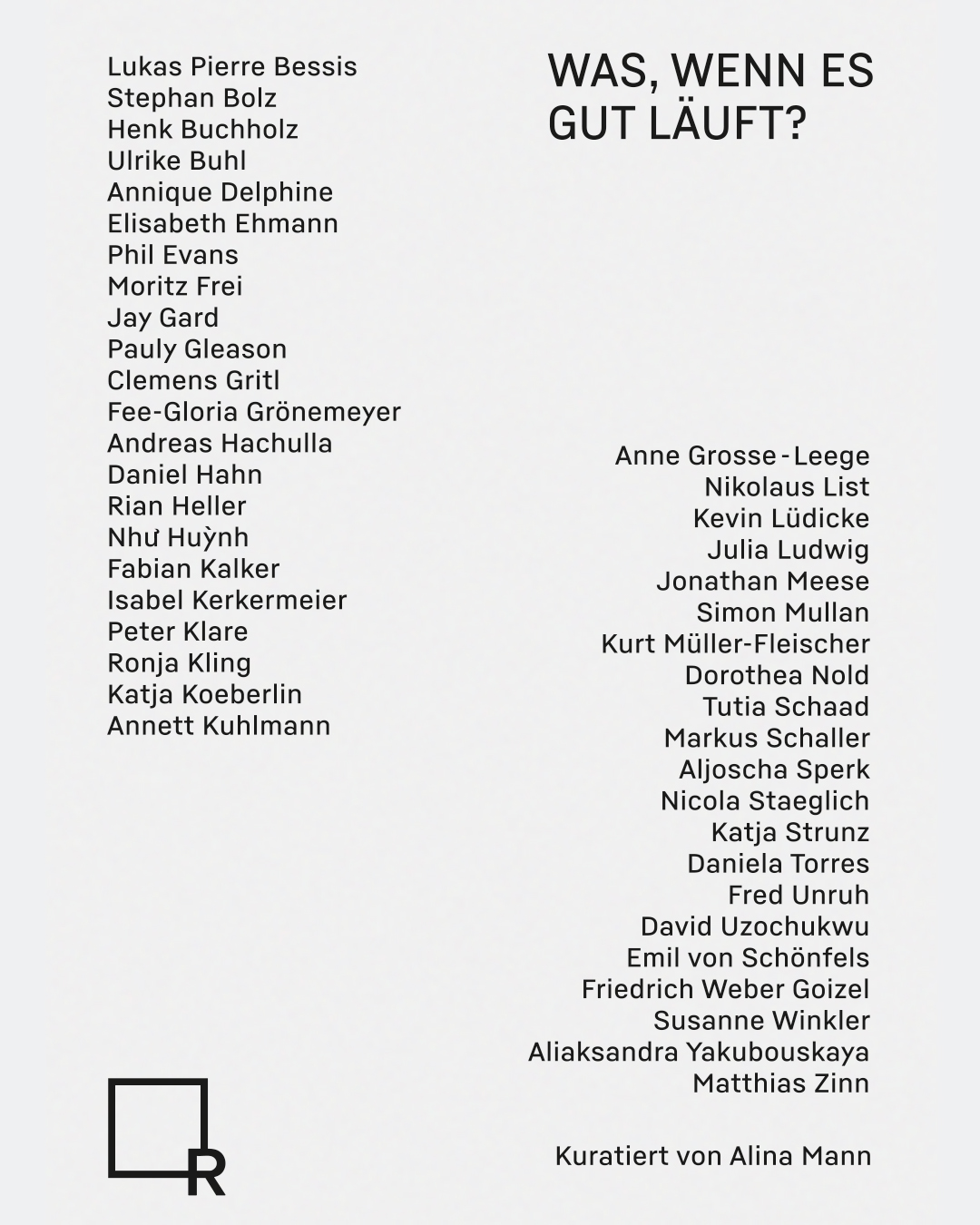
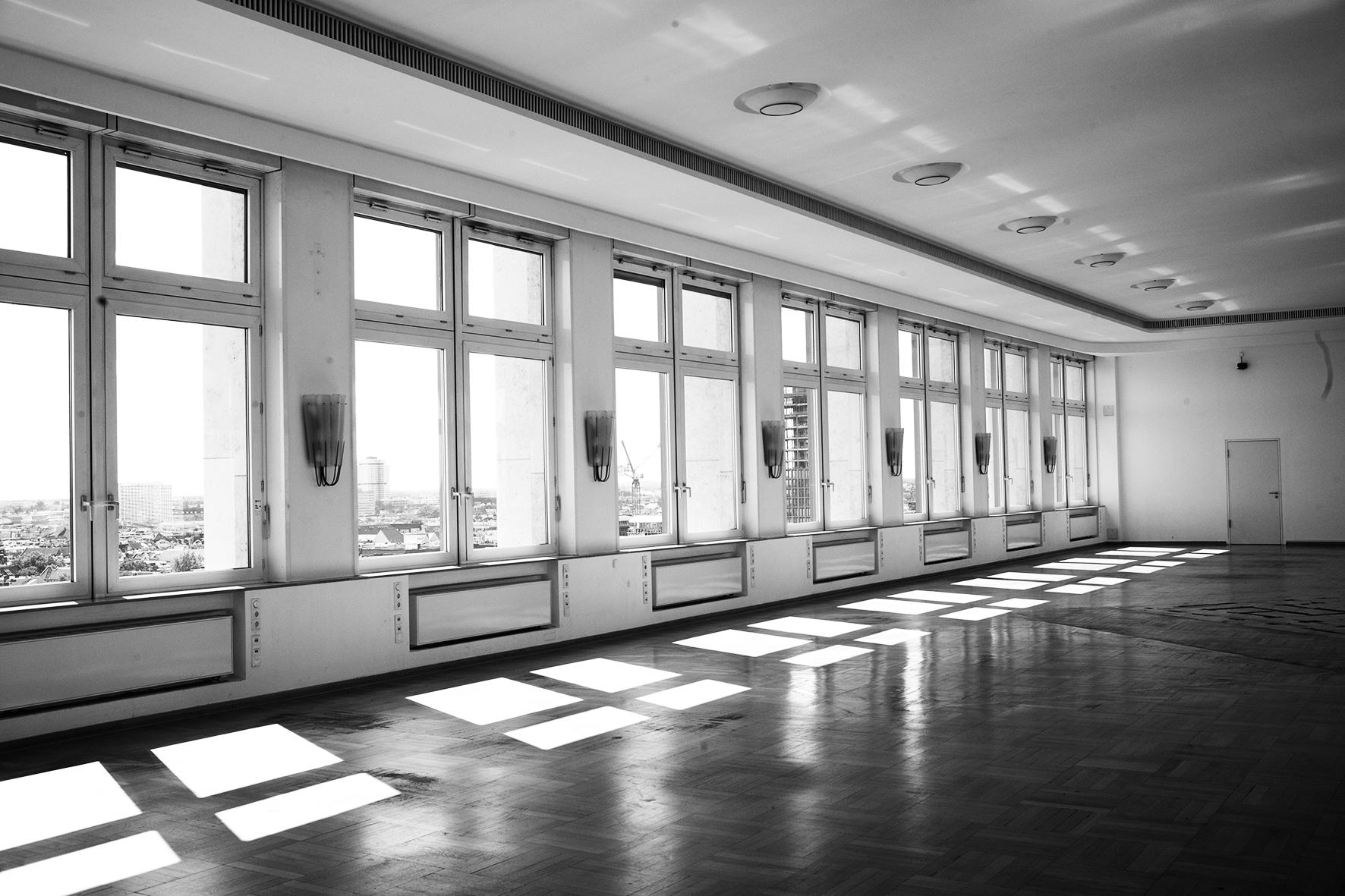
As part of Berlin Art Week 2025, Anne developed SCENES OF INDECISION for an exhibition space. In addition to Simon Mullan, with whom she shared a room, participants included Jonathan Meese, Matthias Zinn, and Jay Gard, among others. Curator Alina Mann, in collaboration with Allianz, invited approximately 45 artists to a group exhibition at Joachimsthaler Straße 12 in Berlin. Together, the participants explored the question: What if things go well?
Then the step outward has been taken— out of indifference, a state thatserves as a starting point for all kinds of possibilities.
Then a decision has been made, found, reached—a decision for the good, which so often comes disguised, hidden, or buried, or doesn’t come at all, but staysright where it is.
Its arrival, its sight, its perception and sensation—indeed, even the belief in its simple existence—has become rare, especially in times of widespread social anger.
In the murky stream of indecision, goodness does not appear to us assuch; it istacitly glossed over or even pointedly denied, kept beneath the surface, celebrated in a barely audible whisper.
Are we afraid to make a decision because, in doing so, we relegate otherthings to the background—overlooking something that blocks our path but might, after all, lead usto ourselves?
In the complexity and opacity of the situation, what is good is by no meansthe obvious choice; thus, its seemingly random occurrence sometimes even feels like a disappointment.
Letting things happen is becoming widespread; it doesn’t just play a part but takes over, gradually supplanting one’s own decision-making. Yet the days are full of these opportunities to decide; they exist even in the immediate moment. They give one’s own existence—however limited or, indeed, how global it may be—a direction toward self-fulfillment and the fulfillment of one’s obligations; they set the pace of journeys and unexpected encounters, curate one’sfellow travelers, and sometimes replace them.
These situations, rich in alternatives, are commonplace for each individual and yet, at the same time, are probably never mundane and can hardly be practiced—their fleeting nature is usually deceptively real; the pendulum swings in response; it comes to rest, and the mind followsit when everyday life takes the turn, leaving the fork in the road and the hurdles of existence behind.
It happens often; upon closer inspection, a succession of possibilitiesin a temporary, personal, ethereal space.
How do we overcome the indifference ofsuch a momentfor ourselves?
How do we achieve what really matters?
How do we tap into the goodness found in the small things, in which such power resides—a power that, in retrospect, has something affirming about it, and in the present, even something transformative?
If the power of a decision made in the past is a gentle one—if it acts like a bandage or a woolen blanket, lending usits enveloping, warming, soothing, and at the same time (overly) protective qualities—what good can a decision made in the present possibly do?
Does it not possess a formative power; does not an immense will to change spring from it, one that can seize us?
And then, success. The first step out— Out of indifference, the starting point for all that is possible.
Then a decision—chosen, discovered, reached: a choice for the good, which too often comes distorted, obscured or concealed, or simply stays put and fails to arrive at all.
Its arrival, to see it, even believe in its mere existence, has become all too rare—especially in times of such widespread fear and discontent.
In the swirling stream of uncertainty, the good often goes unseen, silently concealed, sometimes boldly denied and held beneath the surface, celebrated in near silence.
Do we shy away from decisions for fear of banishing to oblivion all other possibilities, overlooking something that appears to be in our way but perhaps leads us to ourselves?
In this murky confluence, the good is not the expected; so its seemingly random arrival can even feel like a disappointment. Passivity spreads silently, not merely taking part but gaining the upper hand, gradually displacing the ability to decide anything for oneself.
And yet the days are full of opportunities from which to choose, as are the nights. They give one’s own being – miniscule or momentous –, the fulfillment of ourselves, and our obligations a direction. They determine the tempo of the journey and bycatch, and with whom we travel, and with whom we do not. These situations, teeming with alternatives, are common to all yet never quite ordinary, nor ever easily rehearsed – a fleeting reality answered by the pendulum; it comes to rest, the mind follows, just as the crossroads sheds its state of struggle just after the turn.
It often happens upon attentive reflection; a succession of possibilities appears, unfolding in a temporary, personal, and airy space.
How do we find a good way out of the indifference in moments like these?
How do we achieve the crucial?
How do we find the good in small things — that quiet force which, in hindsight, affirms, and in the moment itself can break things wide open?
If the power of a past decision is a gentle one — acting like a bandage or a wool blanket, enveloping, warming, soothing, but also concealing, what then can a decision do for the good made right now? Does it not possess a creative force? Is there not an immense drive for change taking hold of us?