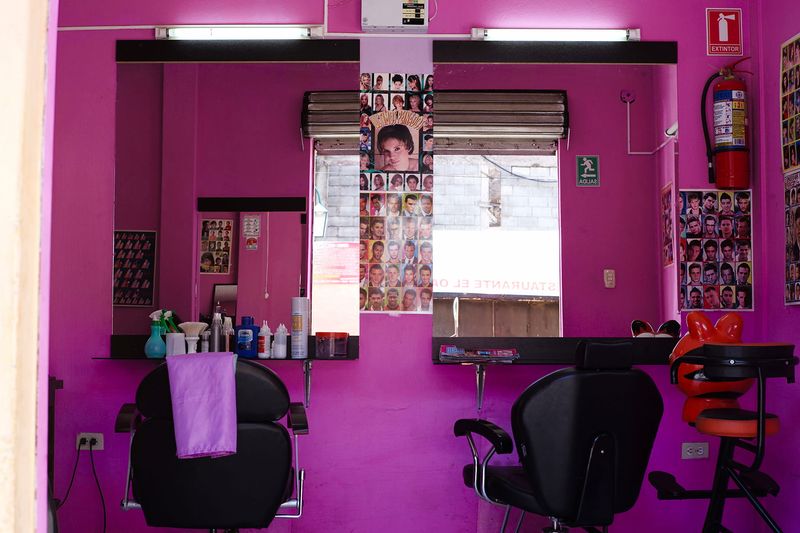
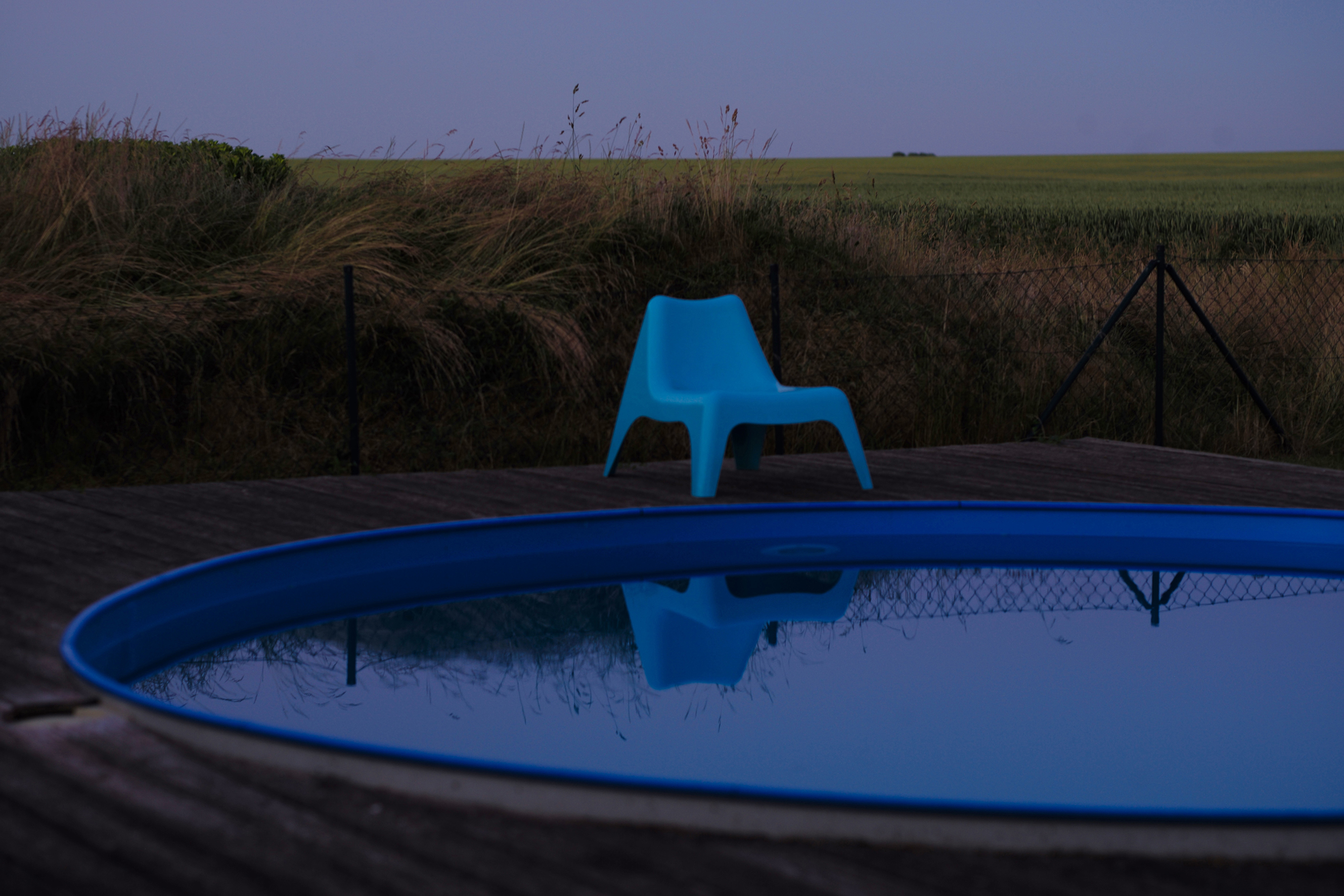
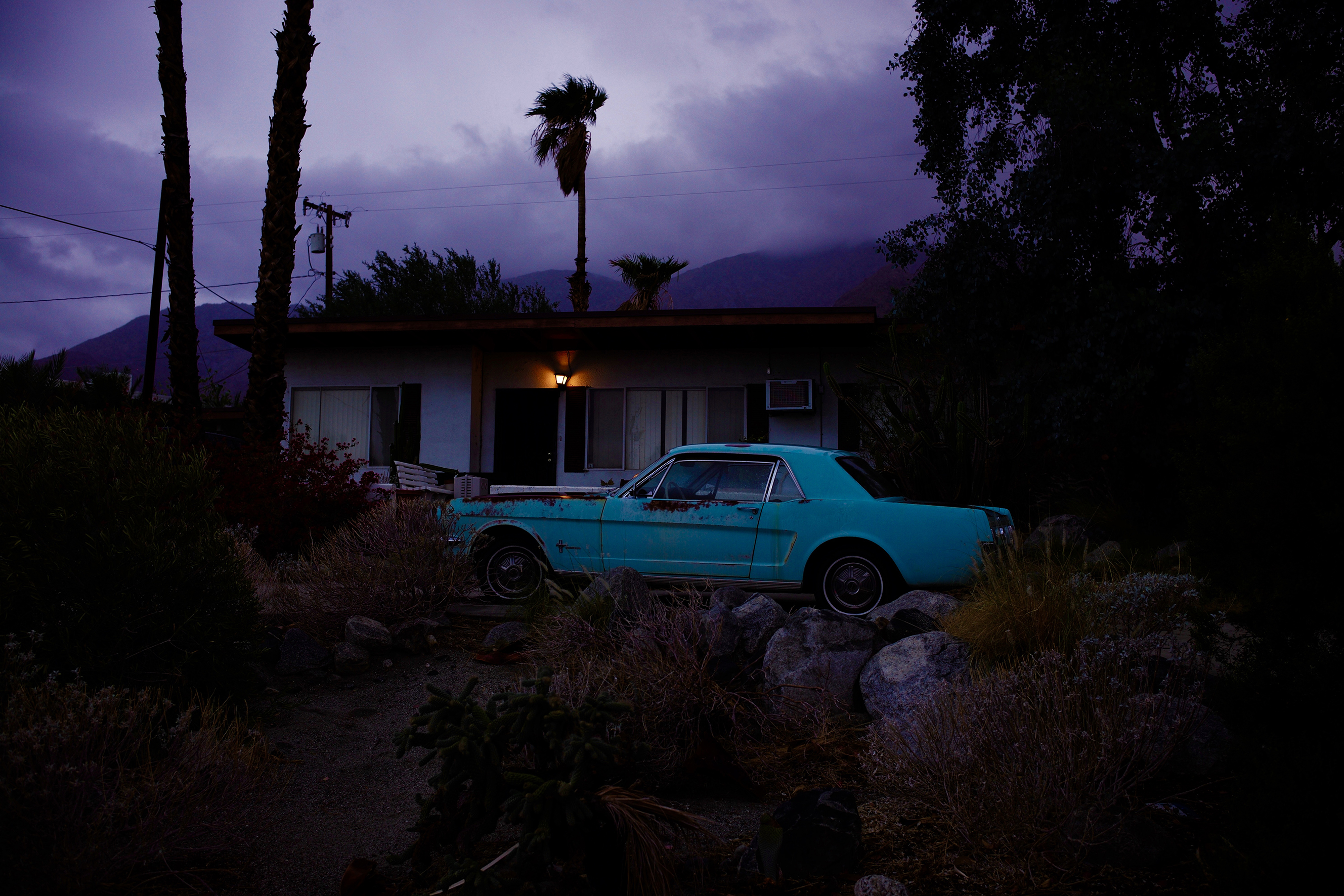
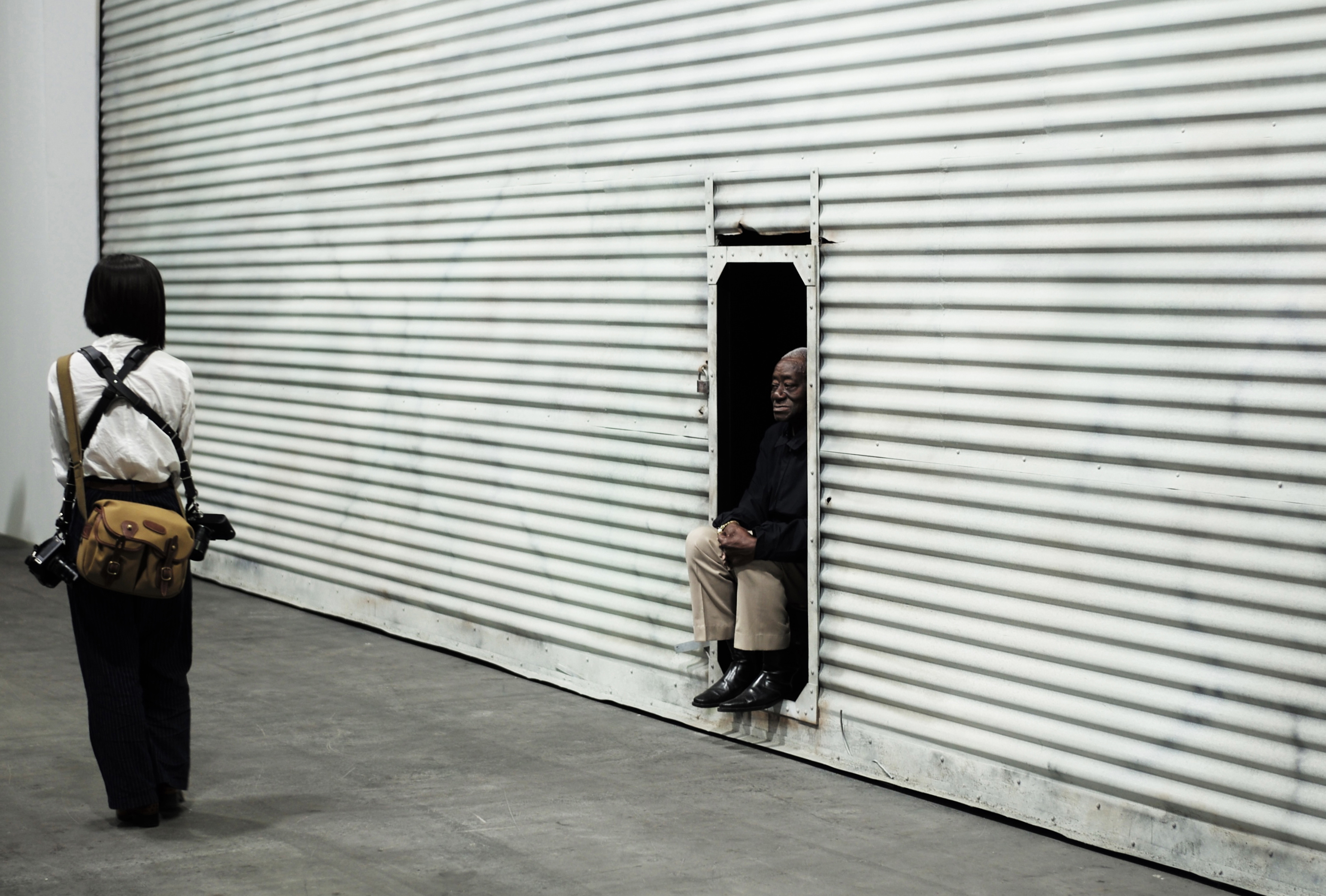
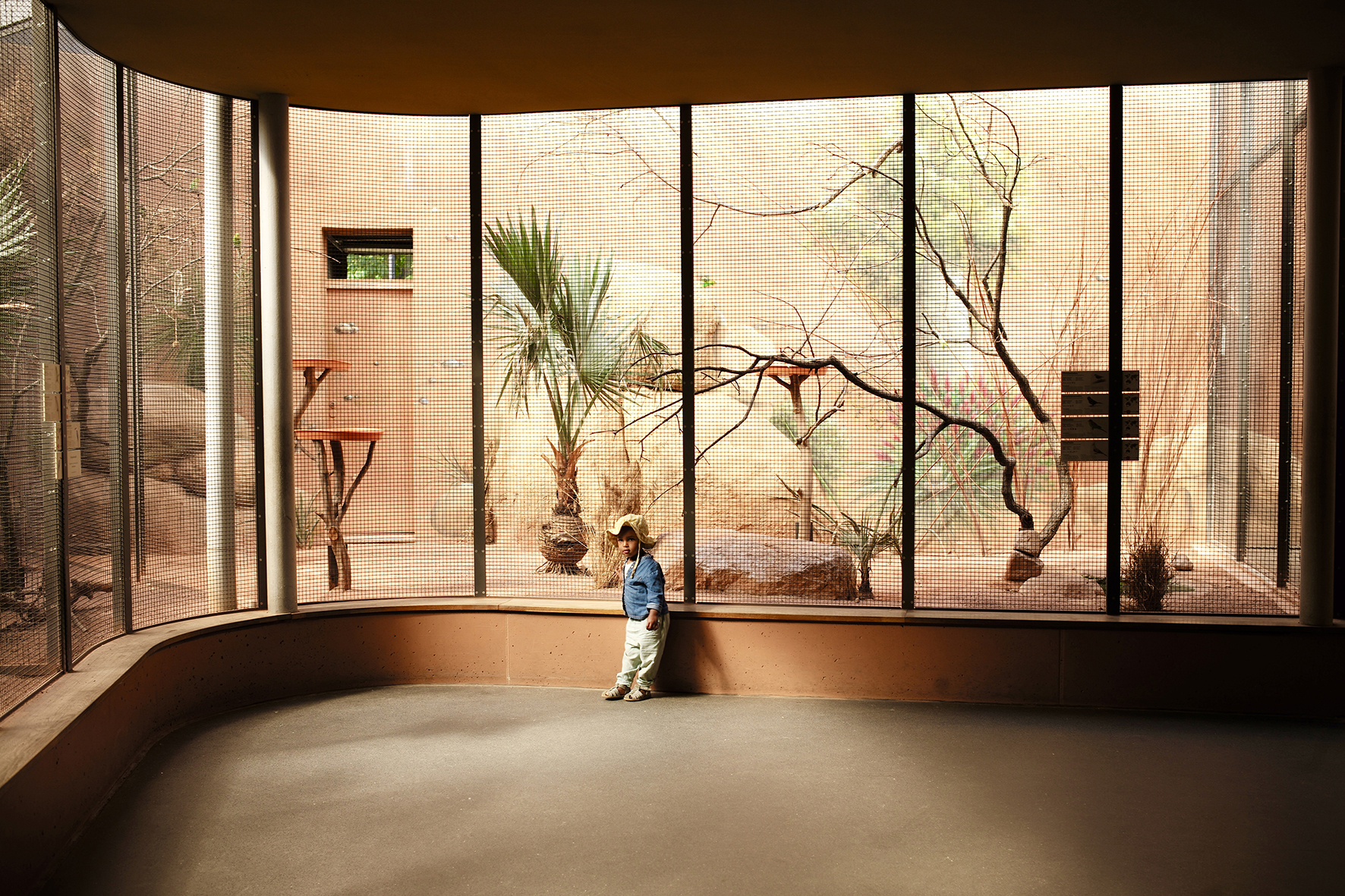
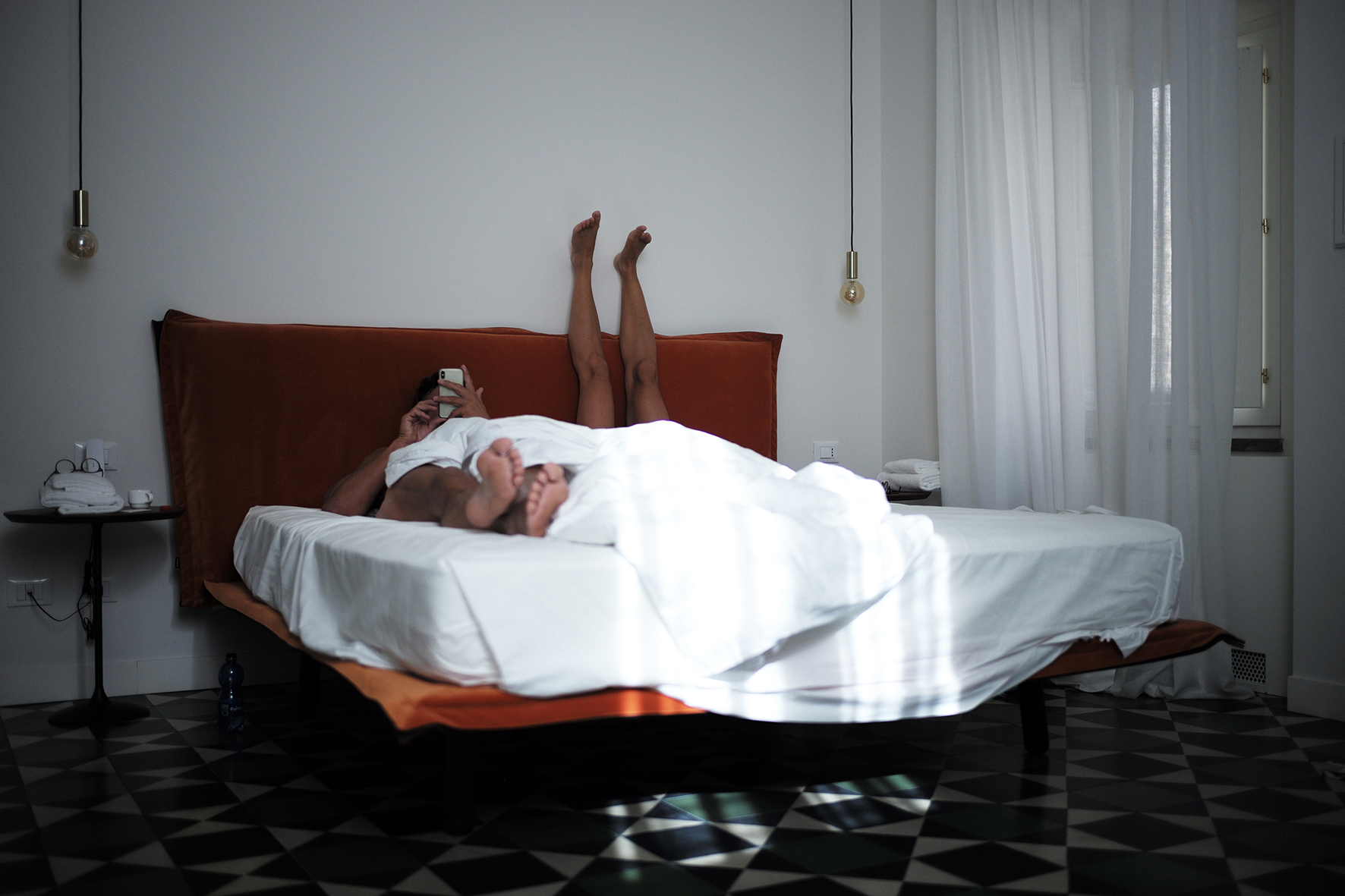
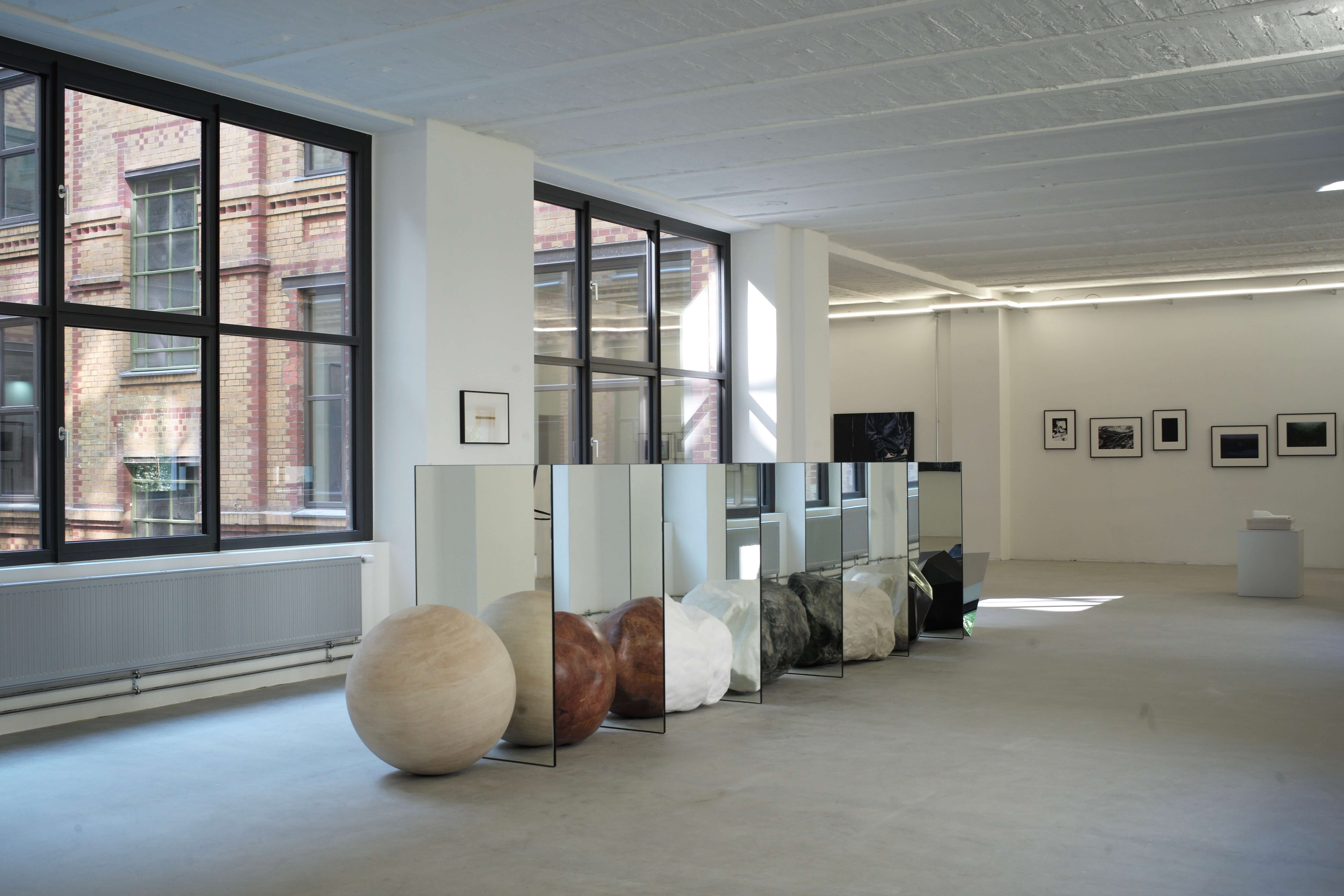
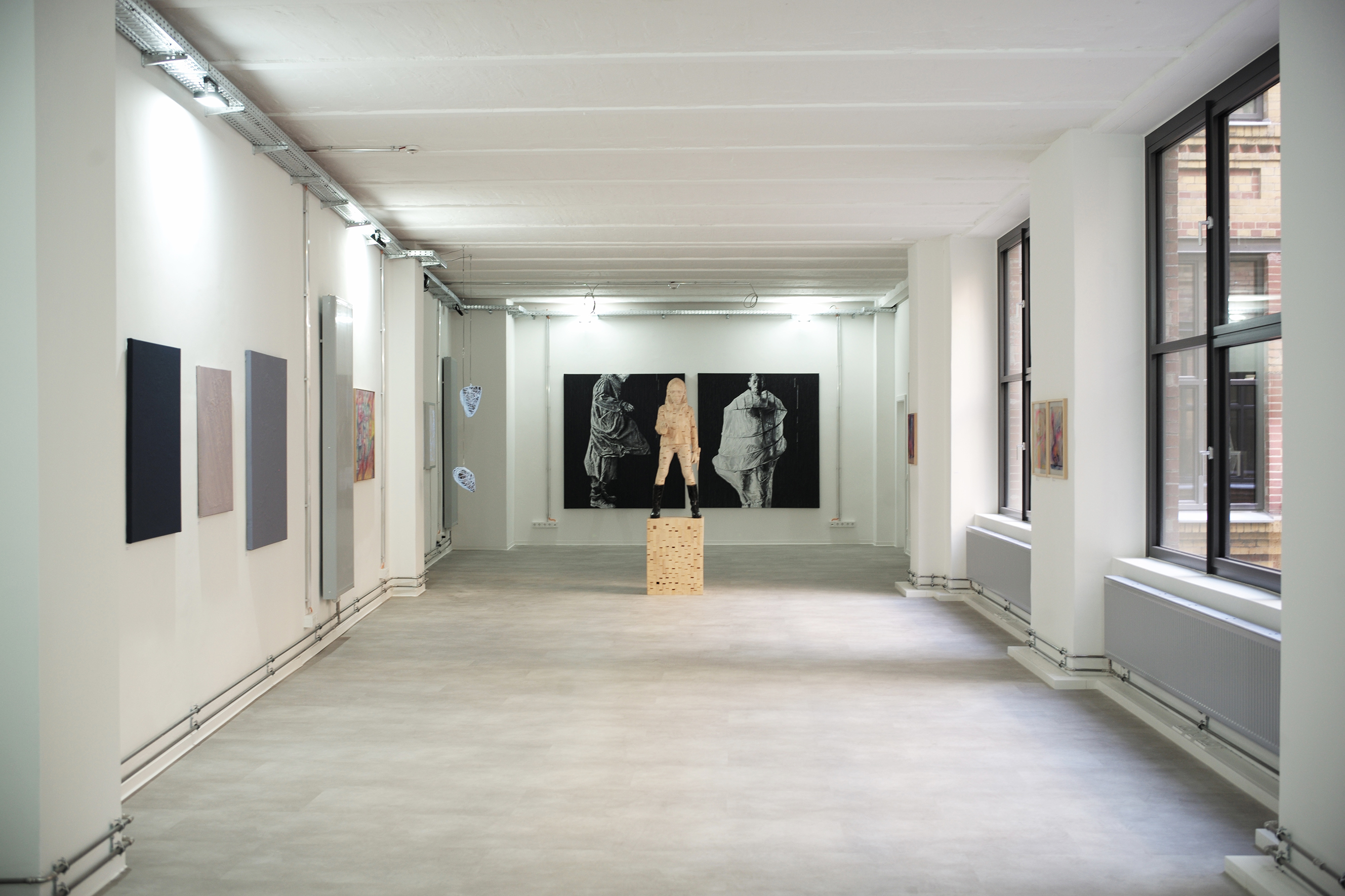
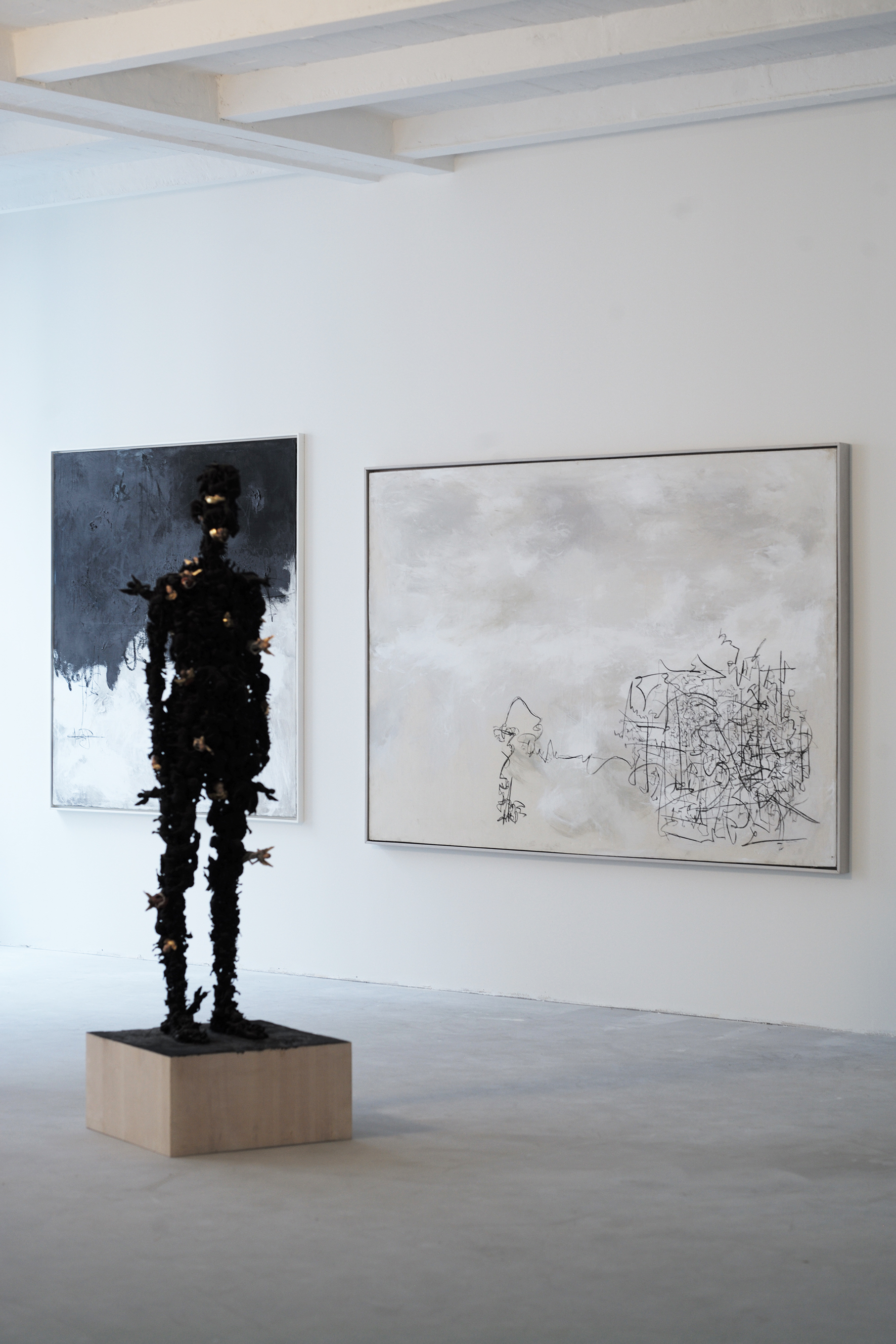
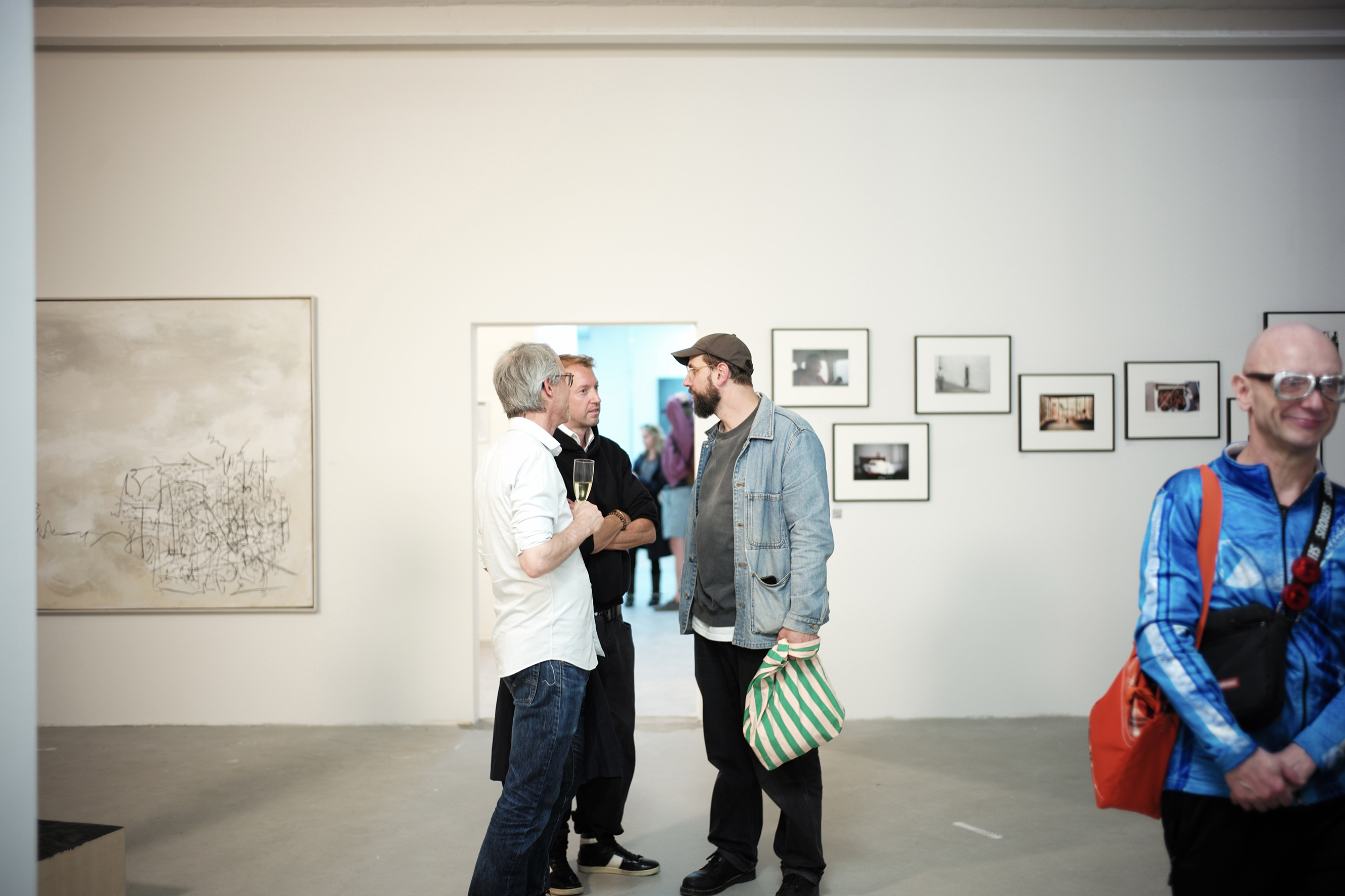
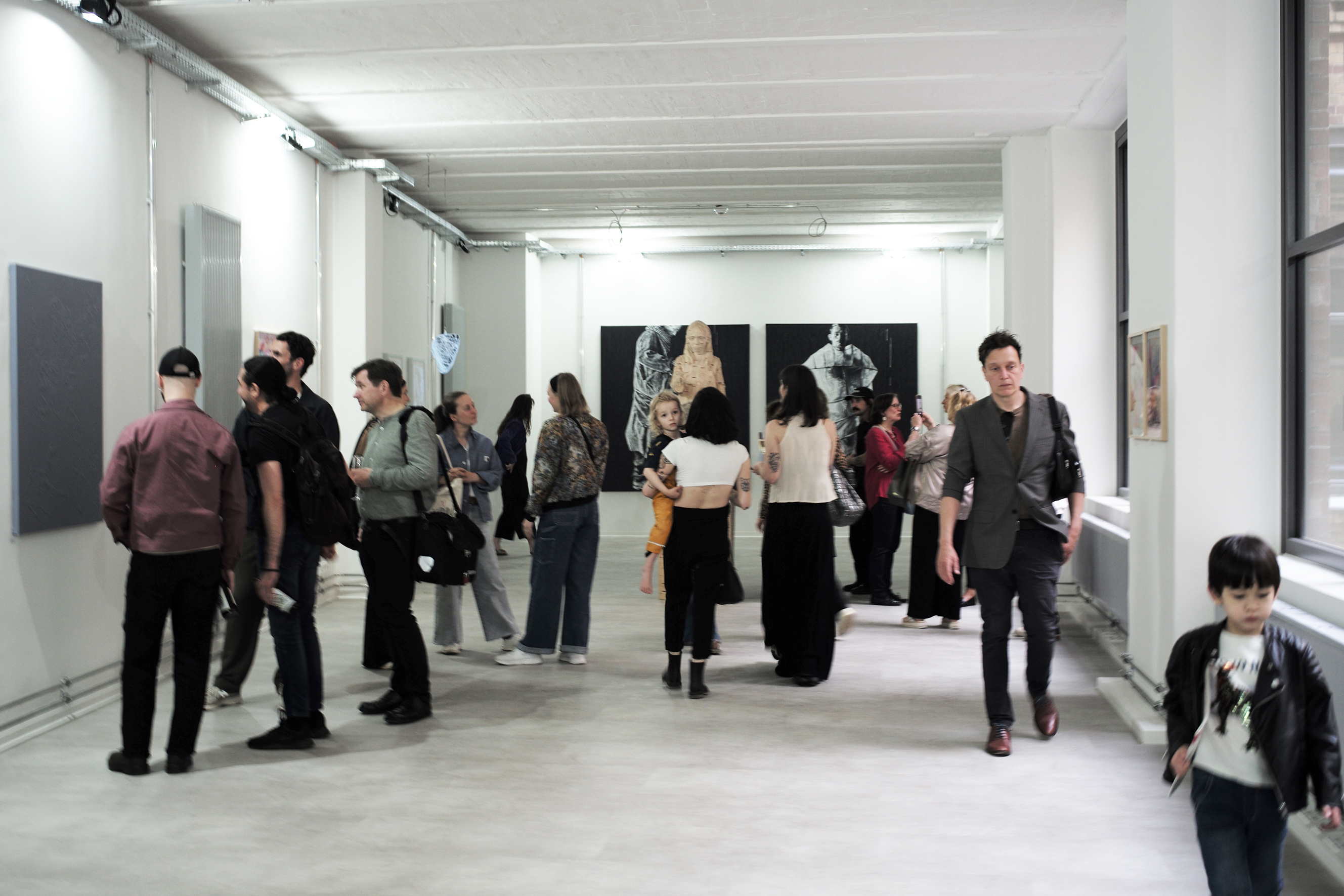
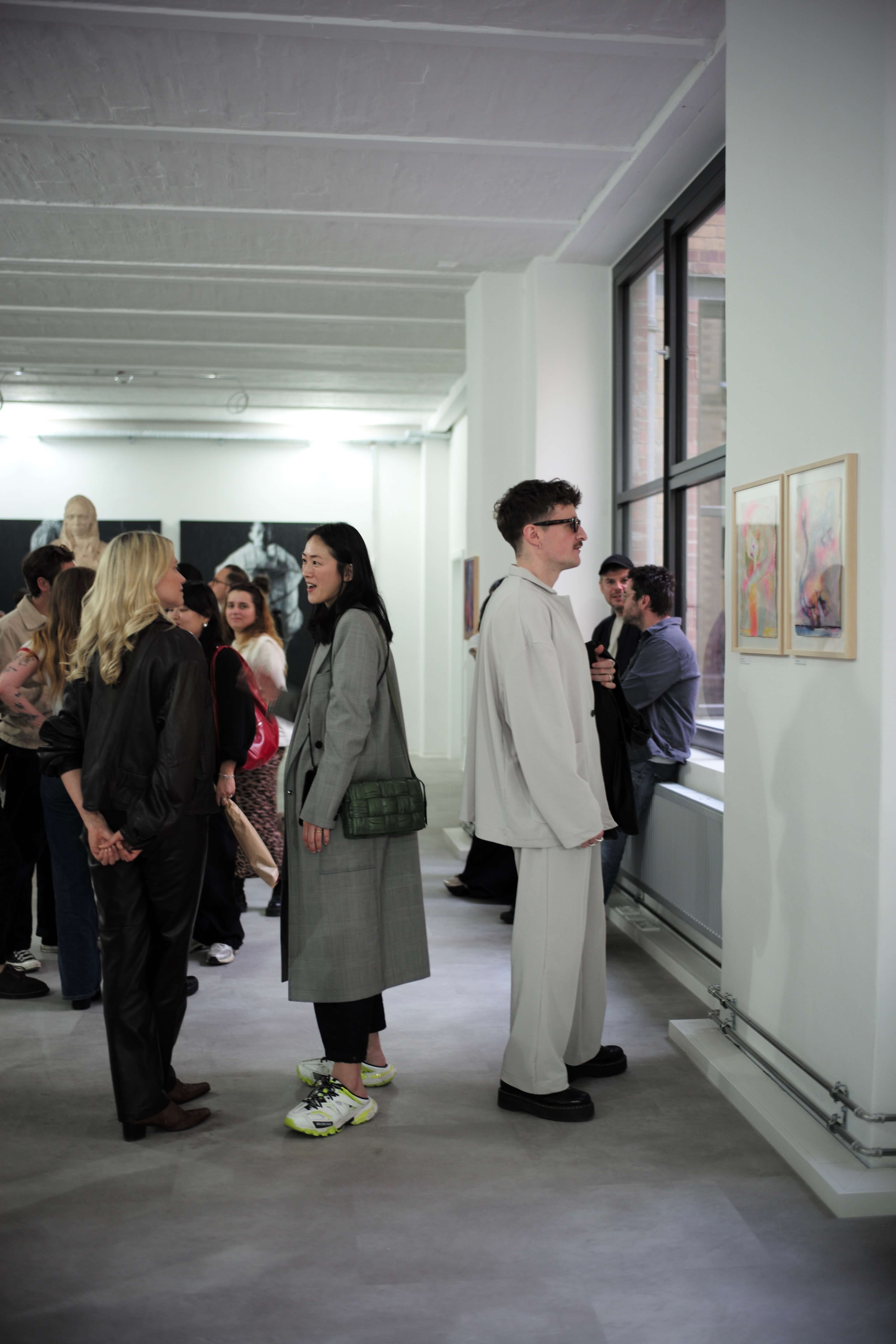
A private collector asked Anne to develop a cultural temporary use for a strikingly beautiful, vacant, and centrally located factory floor in Prenzlauer Berg. She devised a thematic framework for the 500 square meters of available space and, together with Felix Bachmann and Tobias Vetter, approached a total of eleven artists from various disciplines whom she wanted to include in the interdisciplinary group exhibition IN LOVE, THE EMPTINESS.
The theme of emptiness (and boredom as its temporal counterpart) should be regarded as an immutable starting point. Perspectives from different directions and angles were expressly encouraged. Participants included Alicja Kwade, Gehard Demetz, and Fritz Bornstück, among others.
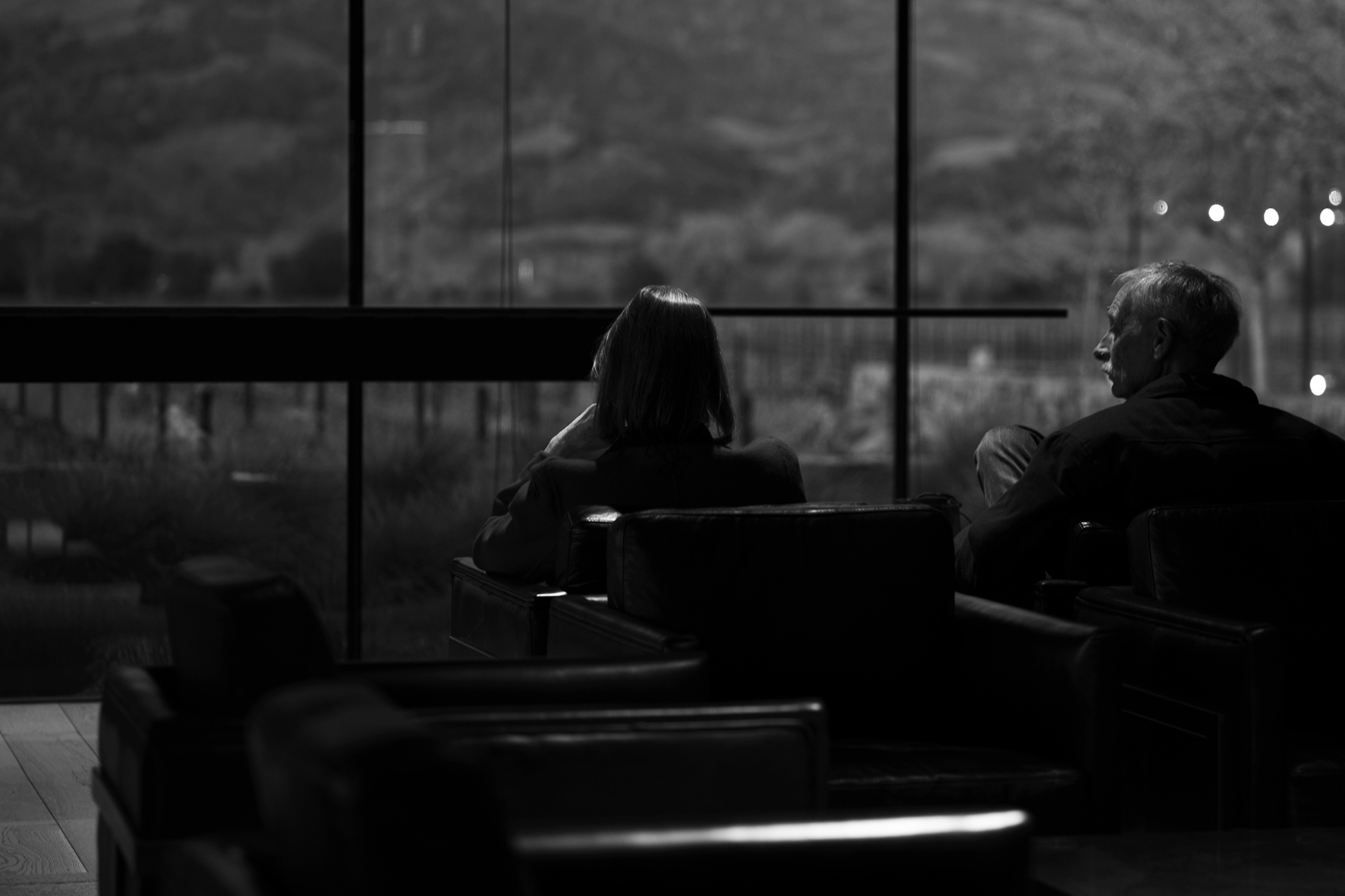
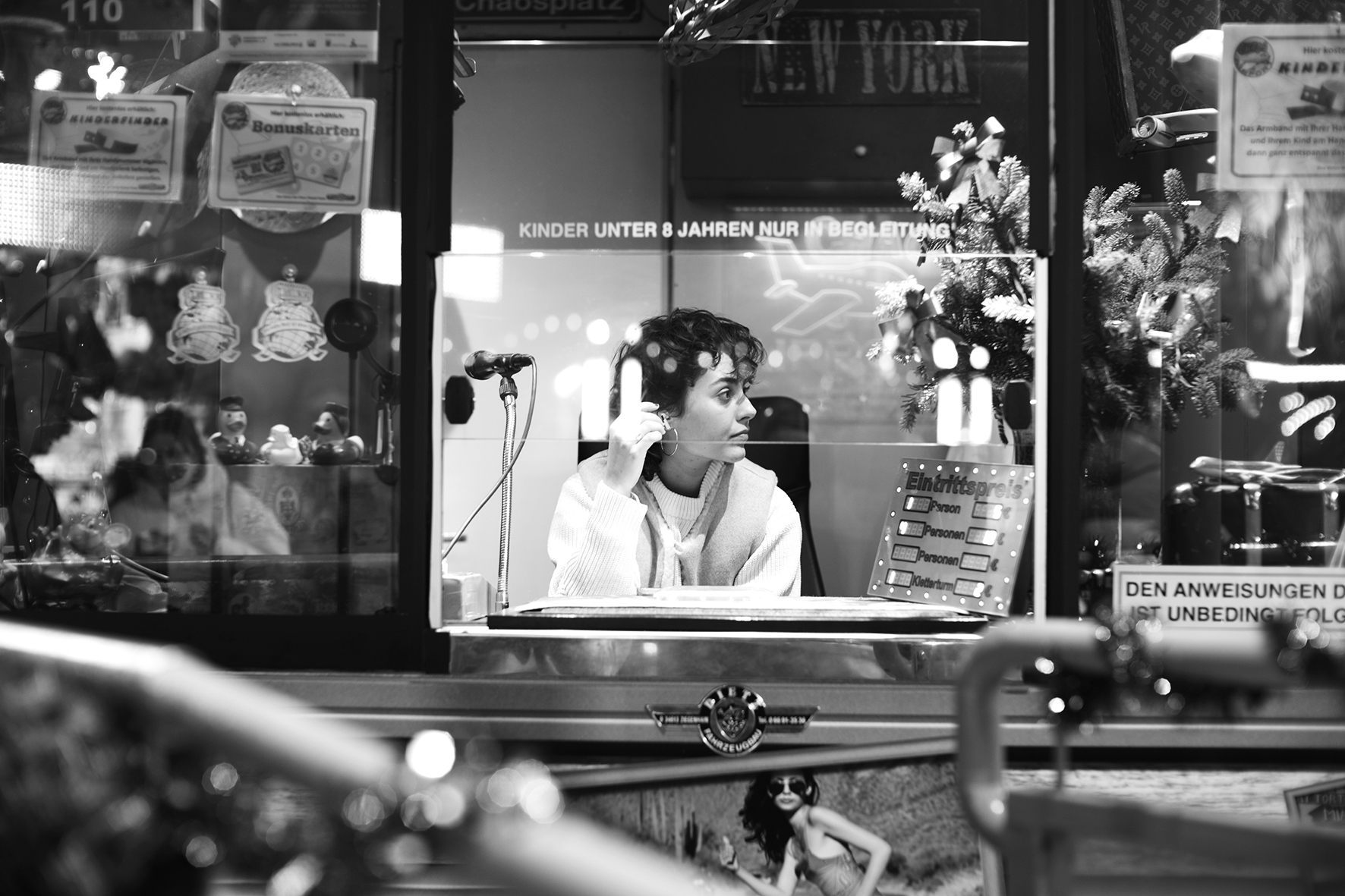
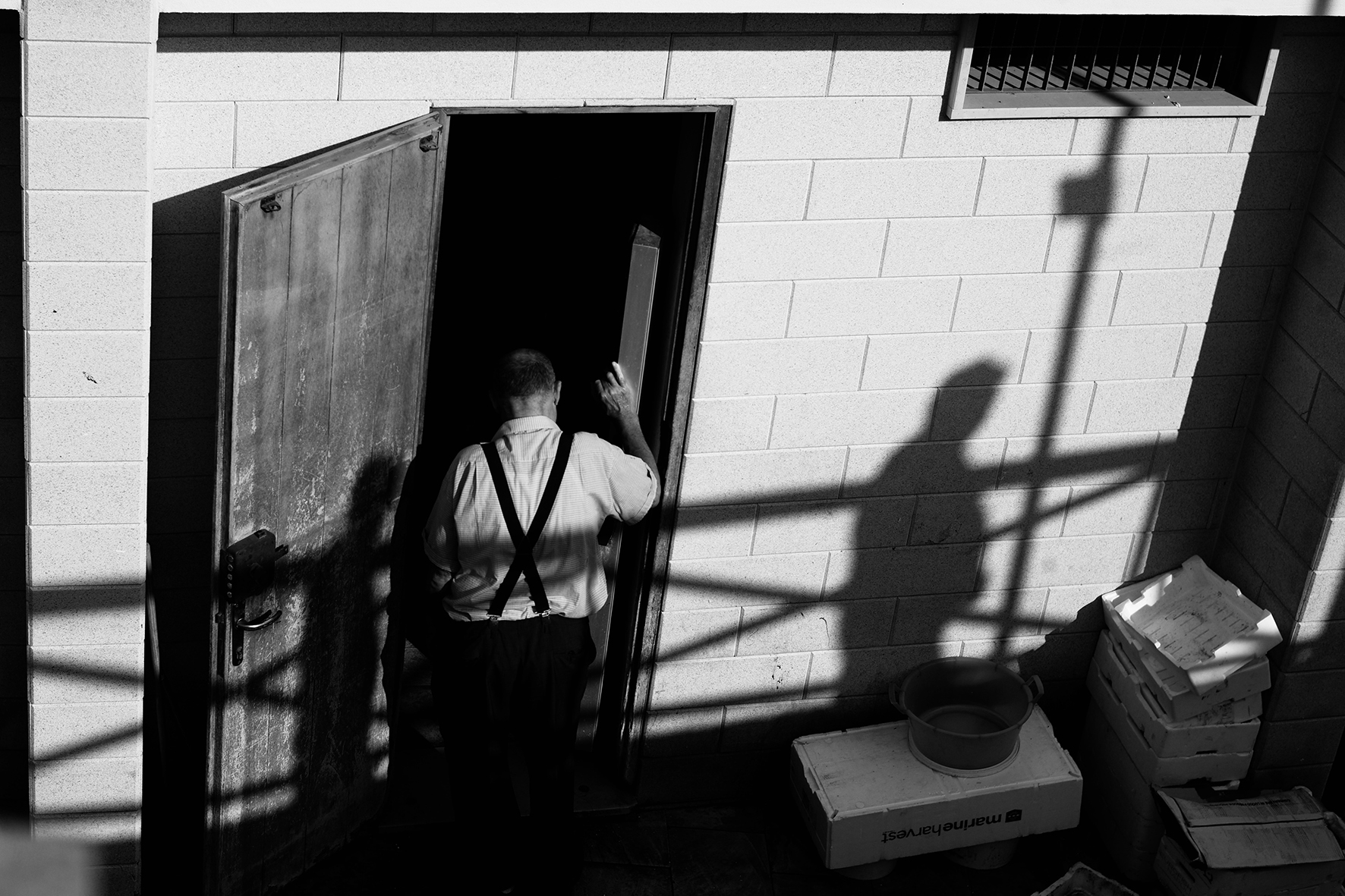
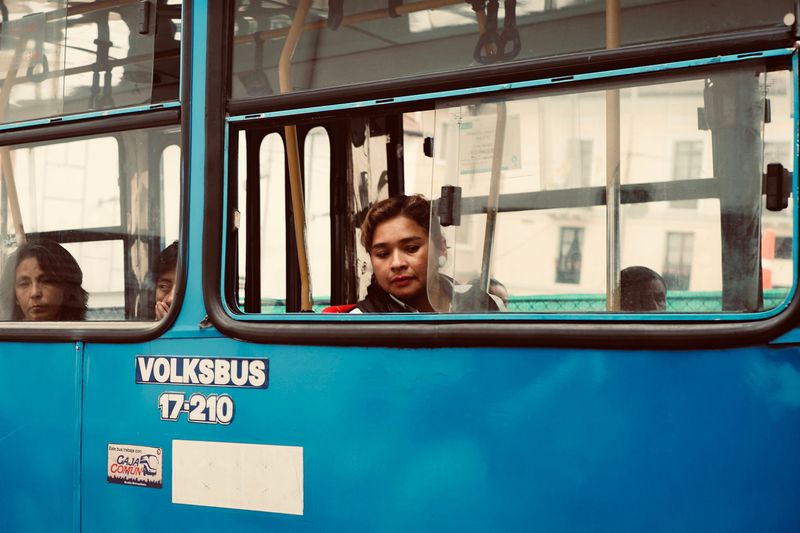
Loneliness — silent and unyielding — finds its way into the laminae of our society. The rampant spread of wordlessness seems no more stoppable than the proliferation of AI in the digital undergrowth.
Alongside those sudden, violently felt ruptures caused by departure, by conflict, by death — those events that tear gaping holes into the fabric of our lives — another kind of absence is taking root, now more than ever. It is the kind of absence that appears, unexpectedly, between self and others, sometimes slipping in quietly and making itself at home, manifesting in shifting and strangely wondrous ways.
We are unversed in facing these stifling voids that have crept into our reality. To suffer loneliness is to carry shame to which few admit or even acknowledge — that estrangement has become the only companion in a friendless home.
Aimlessness has no place anymore. Undefined space, like those formed in the wake of delays, are stripped of their randomness while applications, ever learning, optimize every millimeter of the in-between and information bubbles dictate our distractions. Time is bridged only in haste and as the arena of real encounters is increasingly abandoned. Unaffected and out of touch, we remain distant from one another.
This absence of one another, the void between us, is a self-sustaining system — like a perpetual motion machine, but more so, it accelerates with every attempt to fill the stillness of time. Being alone with oneself has become nearly unbearable.
The exhibition explores this emptiness — both conceptual and spatial — and pairs it with boredom, its temporal counterpart. To confront and connect within is the starting point. Distance is to be exchanged for openness. A clear, piercing gaze is required — a reckoning with its presence, a call to honor its significance.
Is it the emptiness itself that leads us into the widespread state of loneliness? Or is it rather the relentless attempt to banish it that results in unhappiness and isolation?
Each of the participating voices navigates this terrain, exploring the many forms of emptiness. They are drawn not to what is full, but to that which remains unfilled — time, minds, spaces. Not merely to endure, but to provoke; not passivity, but a practiced stillness. And yet — can we truly place our trust in the goodness of emptiness?
The exhibition itself — freely curated across wide, open spaces — follows the desire to see the spaces in-between as spaces to inhabit, with oneself and with others. There remains room for the temporary, for the echo of what people have said, for sounds, and for sounds willingly received.